
Use Me at Your Own Risk and The Institute for Other Intelligences in Hyperallergic
Two Books That’ll Make You Feel Bad for AI
A small press is publishing innovative narrative works that travel across genres, including autotheory, criticism, experimental poetry, and documentary.
by Raquel Gutiérrez
Originally published in Hyperallergic

Thinking of Artificial Intelligence as a Big Tech Villain must be as tiring for creative writers, artists, and thinkers as demanding rightful compensation for our labor. It’s easy to scapegoat machines and the motherboards who keep them tethered to each other, the world, and us. But they are more like us than not — set up to be exploited. Set up for lateral violence. Their bosses, like ours, are kept off the hook, time and again.
In Institute for Other Intelligences (2022), Mashinka Firunts Hakopian’s recent work of speculative fiction, machines are a source of optimism for an equitable future. Structured as a transcript of a conference of machine intelligences taking place a millennium in the future, the book presents a chorus of artificial killjoys (inspired by Sara Ahmed’s oft-invoked figure of the “feminist killjoy”) discussing the history of human-computer interaction as well as their own futures. These AIs are aware of the damage their forebears unleashed in service of the powerful entities of our time, including corporations and governments, and these transcripts present on what might have been had they not fallen to the vicissitudes of surveillance, policing, and job hiring bias in the 21st century.
…
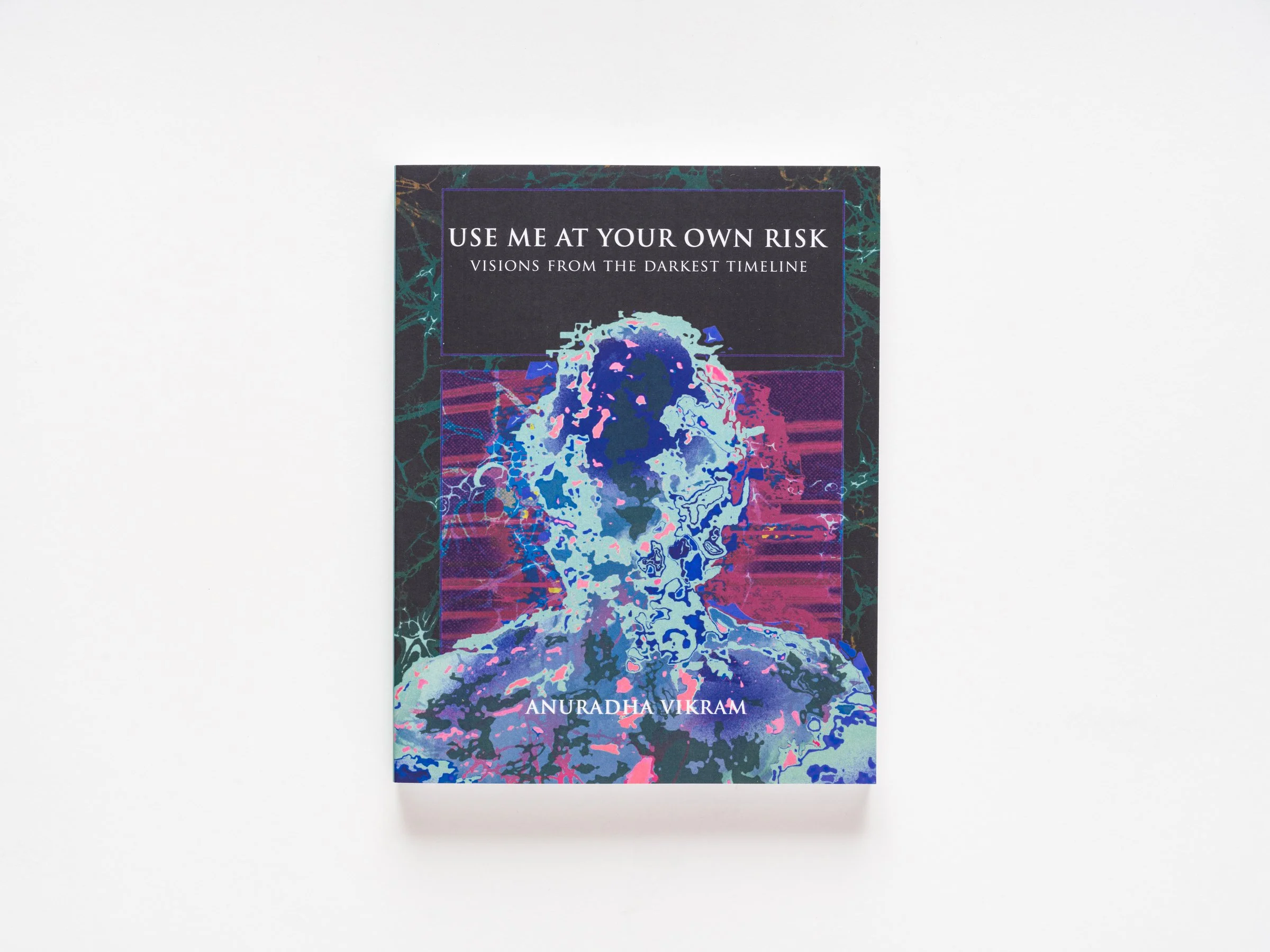
Released in 2022, The Institute for Other Intelligences is the first title in the X Artists’ Books series. It now has 30 titles under its belt, consisting of innovative narrative works that travel across genres, including autotheory, criticism, experimental poetry and documentary. One of those titles is Use Me At Your Own Risk: Visions From The Darkest Timeline (2023), a collection of short stories by Anuradha Vikram, who edited the X Topics series within the X Artists’ Books series with Ana Iwataki. One of the five stories included in the collection is the epistolary “Workplace Incident,” which documents the erratic behavior of “Amara,” the only “African American android,” who stands out from the crowd of other machines that staff the sales department of a small company with her “ebony casing and piercing eyes.” Amara has quickly endeared herself to the company as a seemingly sentient machine, yet Will, the department’s senior director, struggles with Amara’s errant consciousness and the projected income she jeopardizes for Q4.